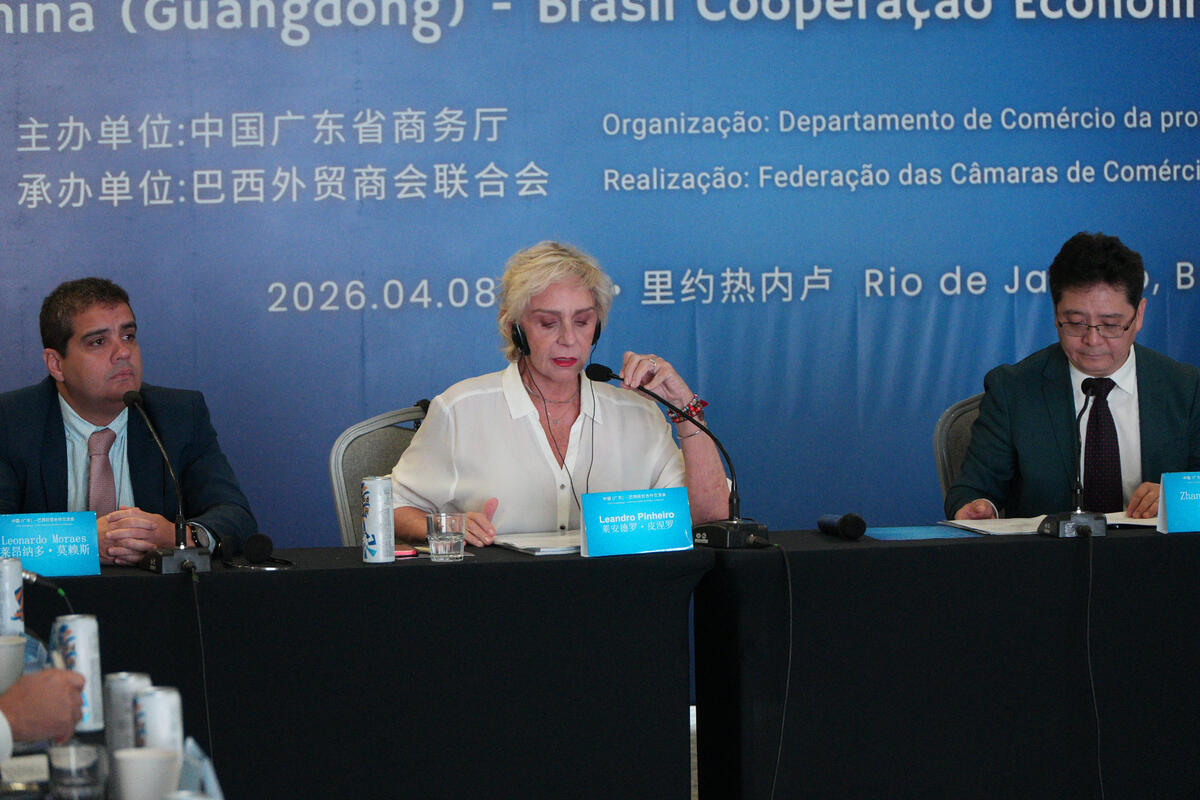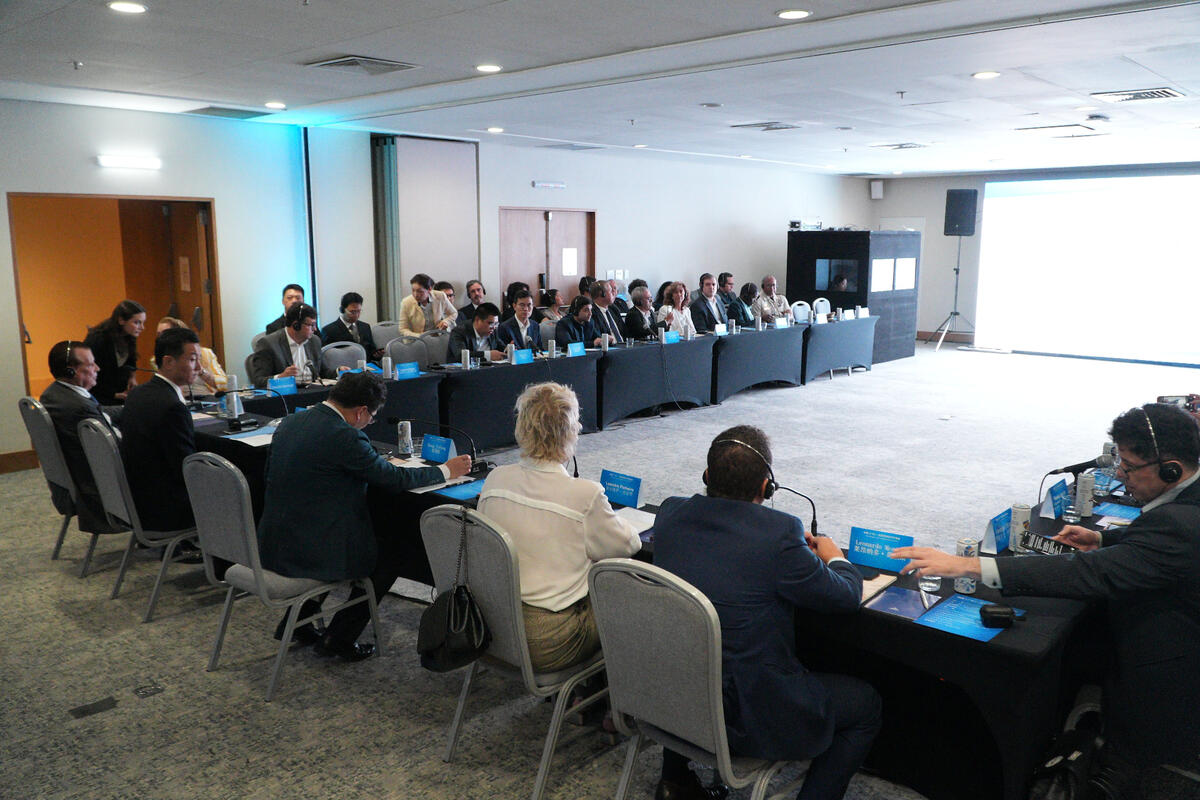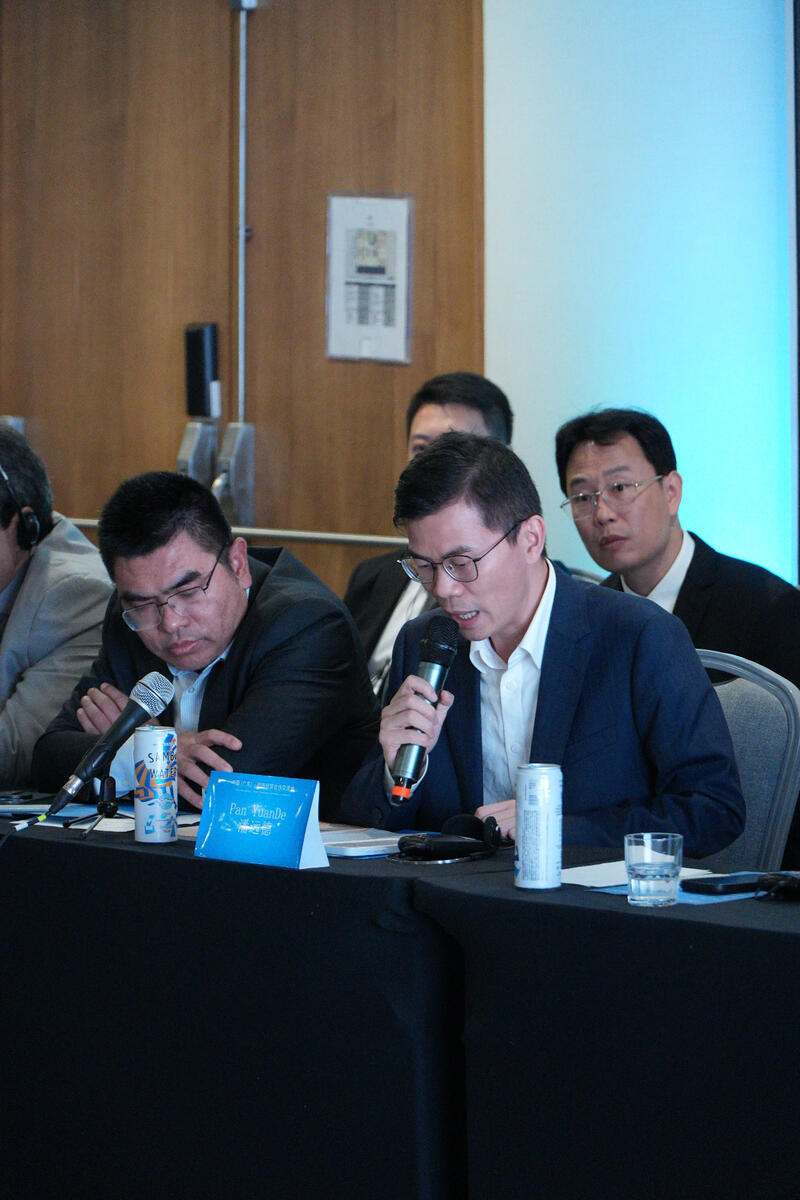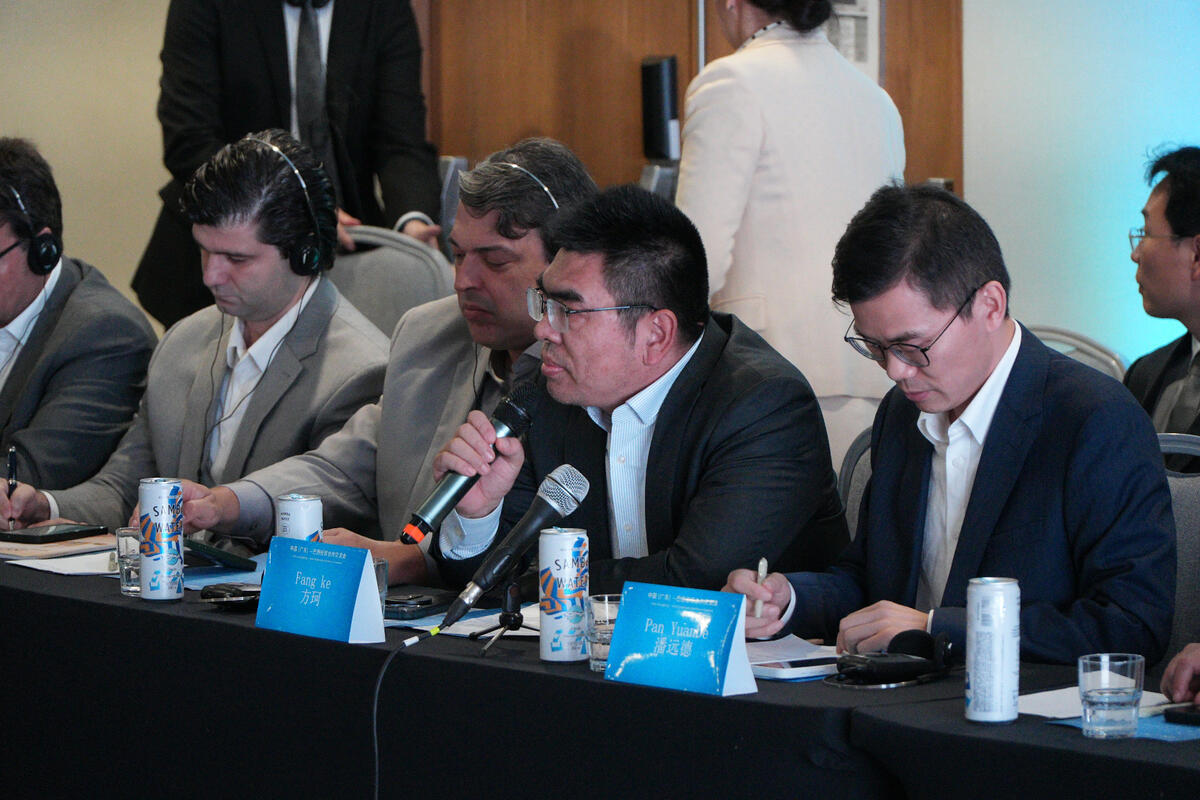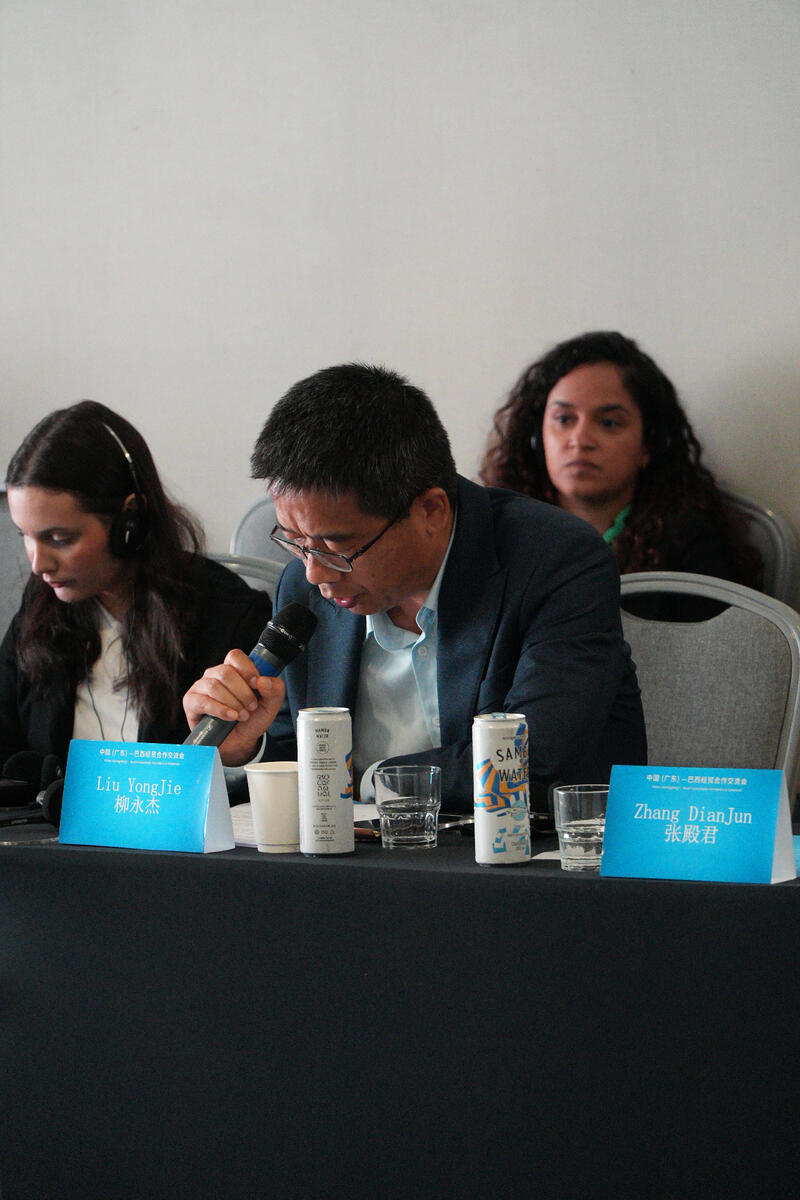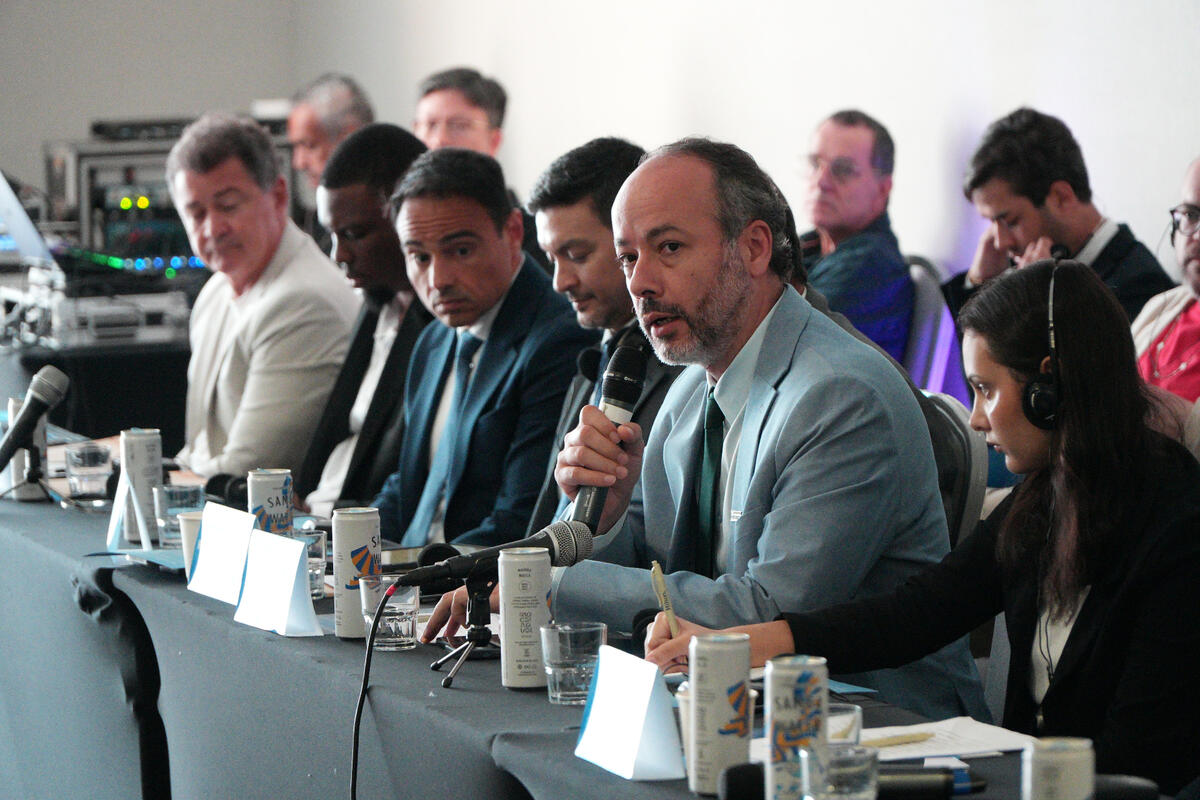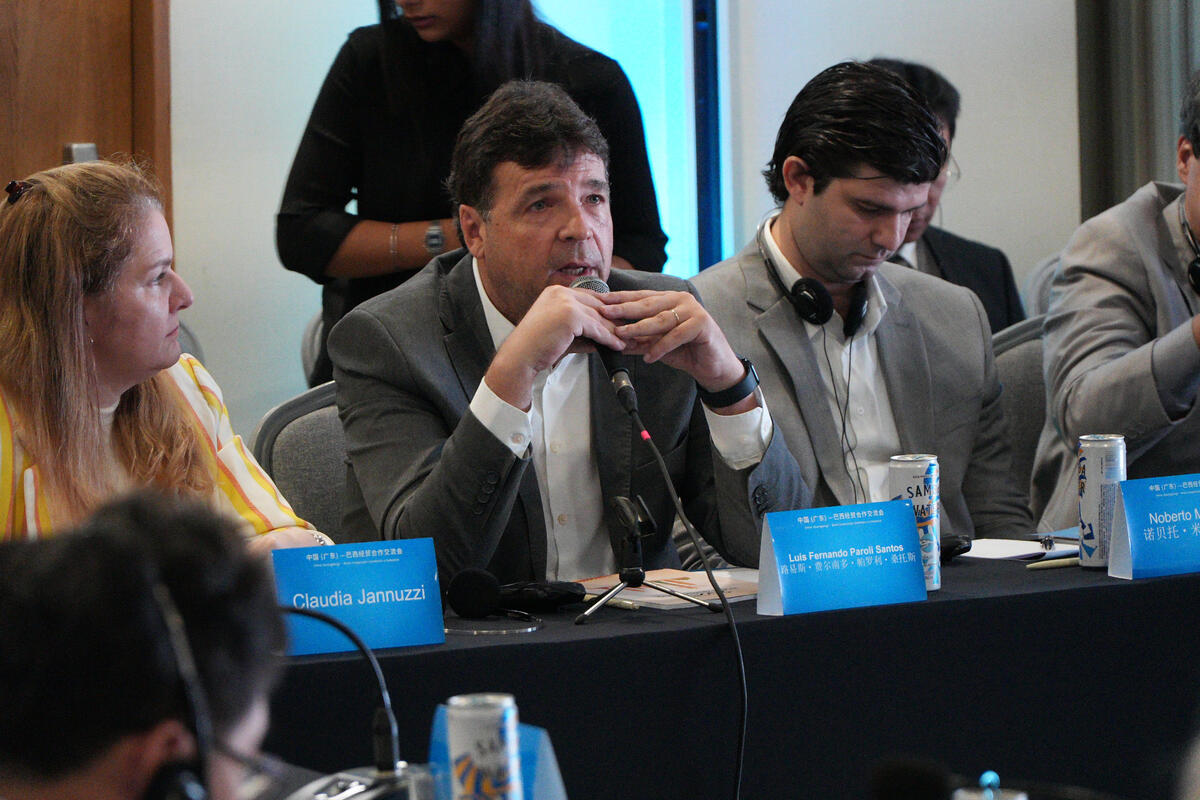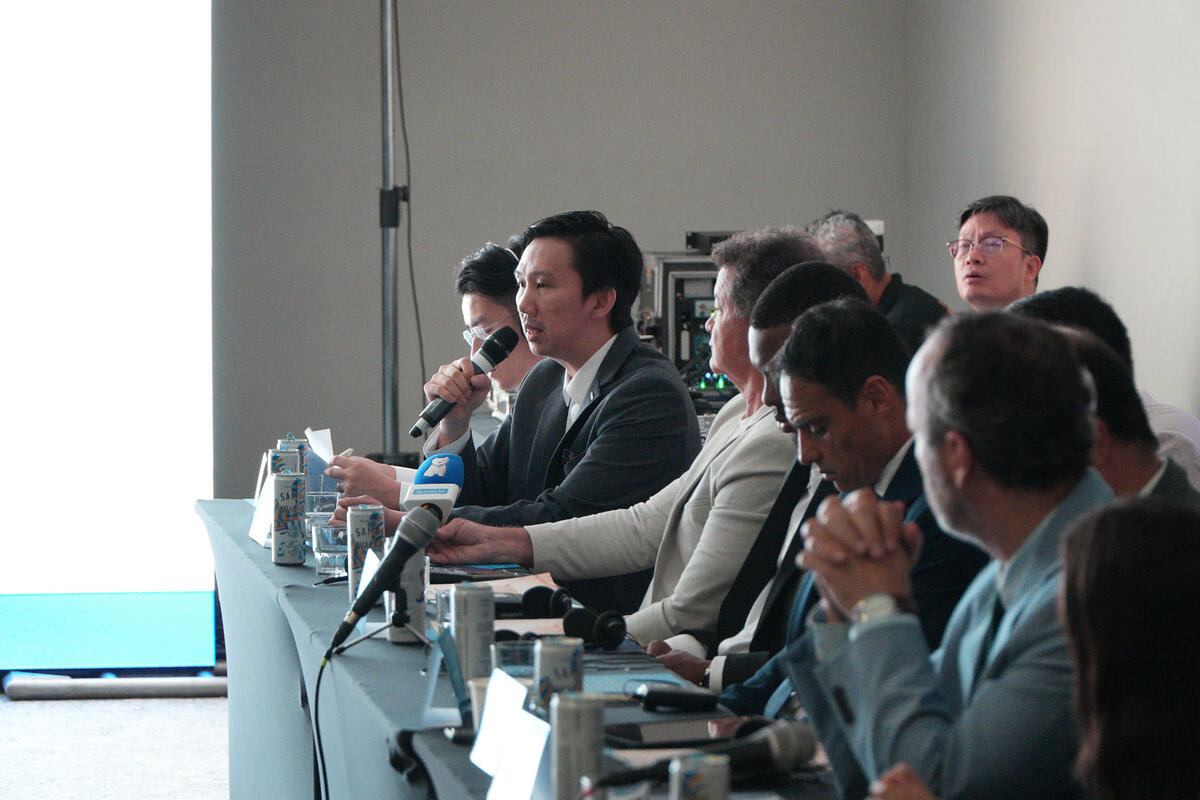
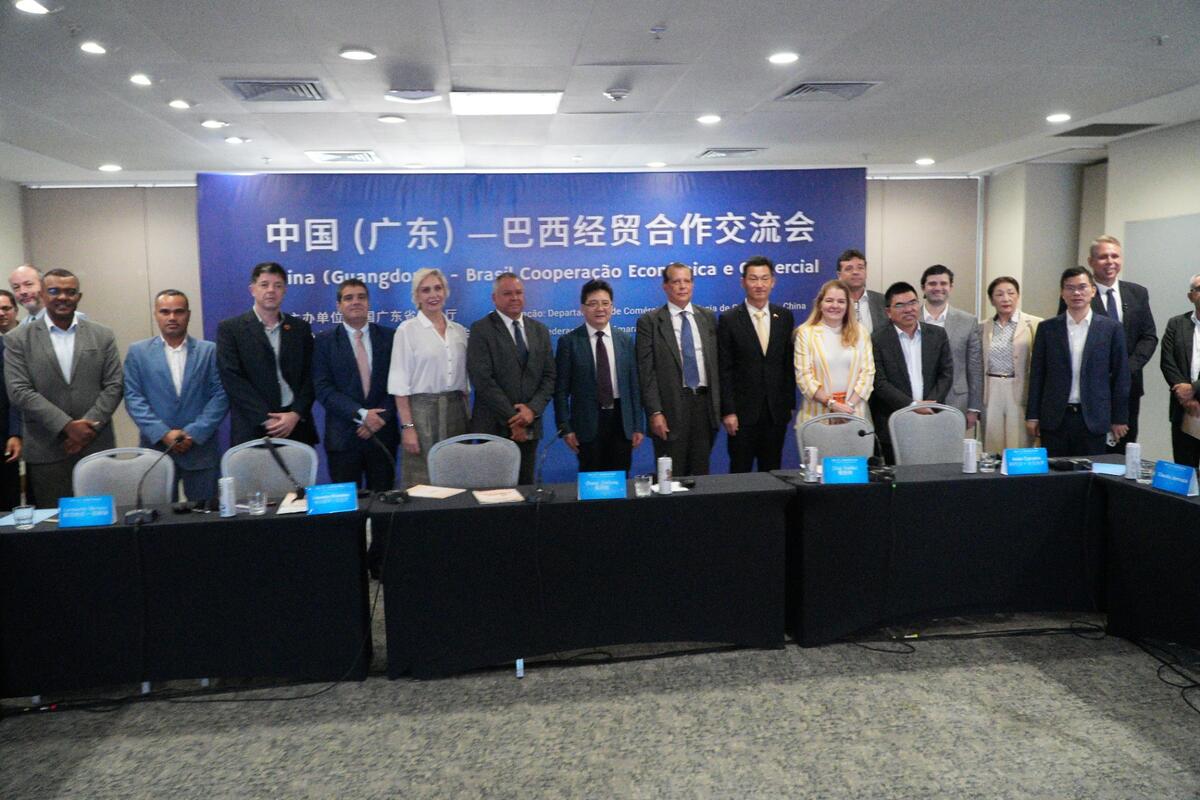
Rio de Janeiro hosted, on April 8, the Exchange Meeting for Economic and Commercial Cooperation China (Guangdong) – Brazil, a pioneering agenda that brought together an official delegation from Guangdong Province, consular representatives, institutional leaders, and strategic companies from both countries around a concrete agenda of trade, investment, and economic integration.
Organized by the Federation of Foreign Trade Chambers (FCCE), with support from the Brazil-China Creative Economy Institute (IECBC), the meeting was held at the Hilton Copacabana and marked an important step in strengthening business and institutional relations between Brazil and China, especially by bringing representatives of China's largest provincial economy to Rio de Janeiro.
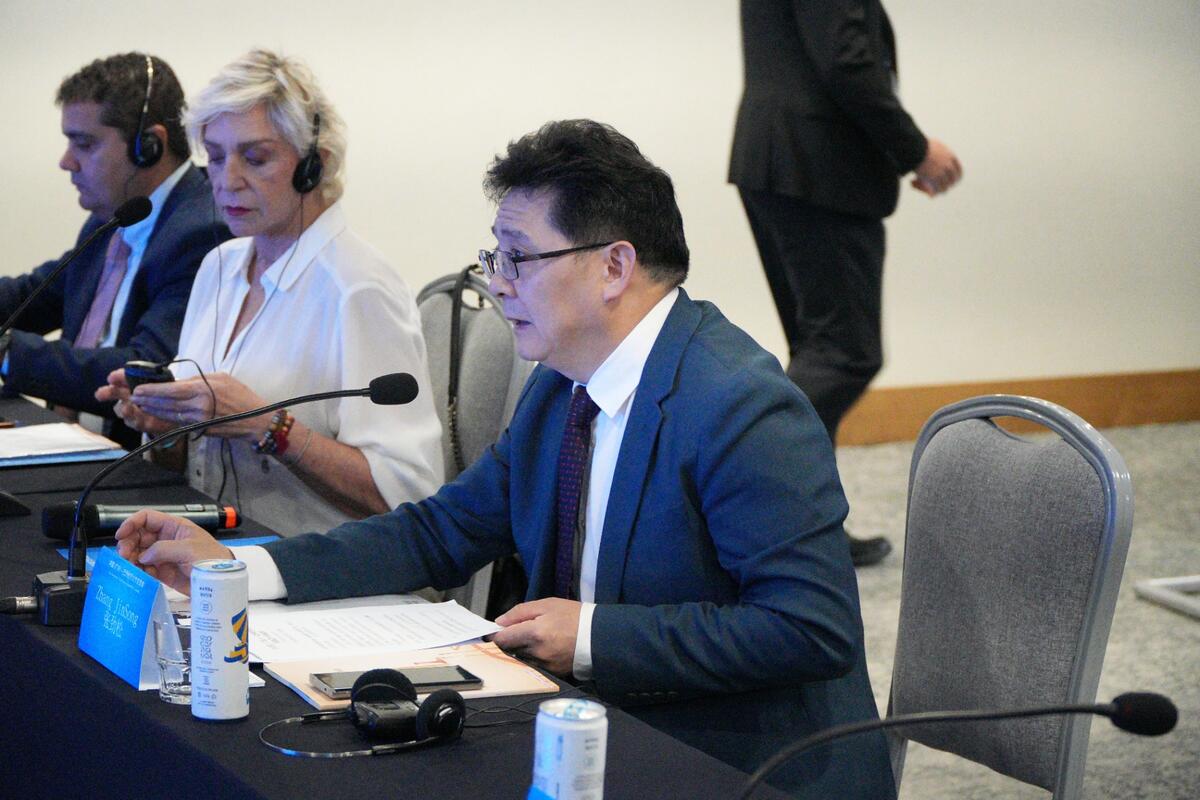
The meeting was led by Zhang Jinsong, head of the official Guangdong delegation and Director General of the Department of Commerce of Guangdong Province, who presented the economic dimension of the province and reinforced Guangdong's strategic interest in deepening its relationship with Brazil. In his presentation, he highlighted that Guangdong has a Gross Domestic Product of 14.16 trillion yuan, a population of 127.8 million inhabitants, and a territorial area of 179,800 km², figures that demonstrate the province's magnitude and its weight in the Chinese and international economic landscape.
Throughout his presentation, Zhang Jinsong emphasized that Brazil occupies a relevant position for Chinese companies and that there is concrete room for expanding Chinese business presence in Brazilian territory. At the same time, he stressed that the growth potential of this relationship is not limited to foreign investment in Brazil: according to him, the country can also significantly expand its exports to China, and Brazilian companies are equally very welcome to establish and develop operations in the Chinese market.
The mission also included representatives from the Department of Commerce of Guangdong Province and the Guangdong Board of Investment Promotion, reinforcing the institutional and economic character of the agenda. The meeting also featured the participation of the Commercial Consul of China in Rio de Janeiro, Jing Yanhui, whose presence added diplomatic weight to the dialogue environment.
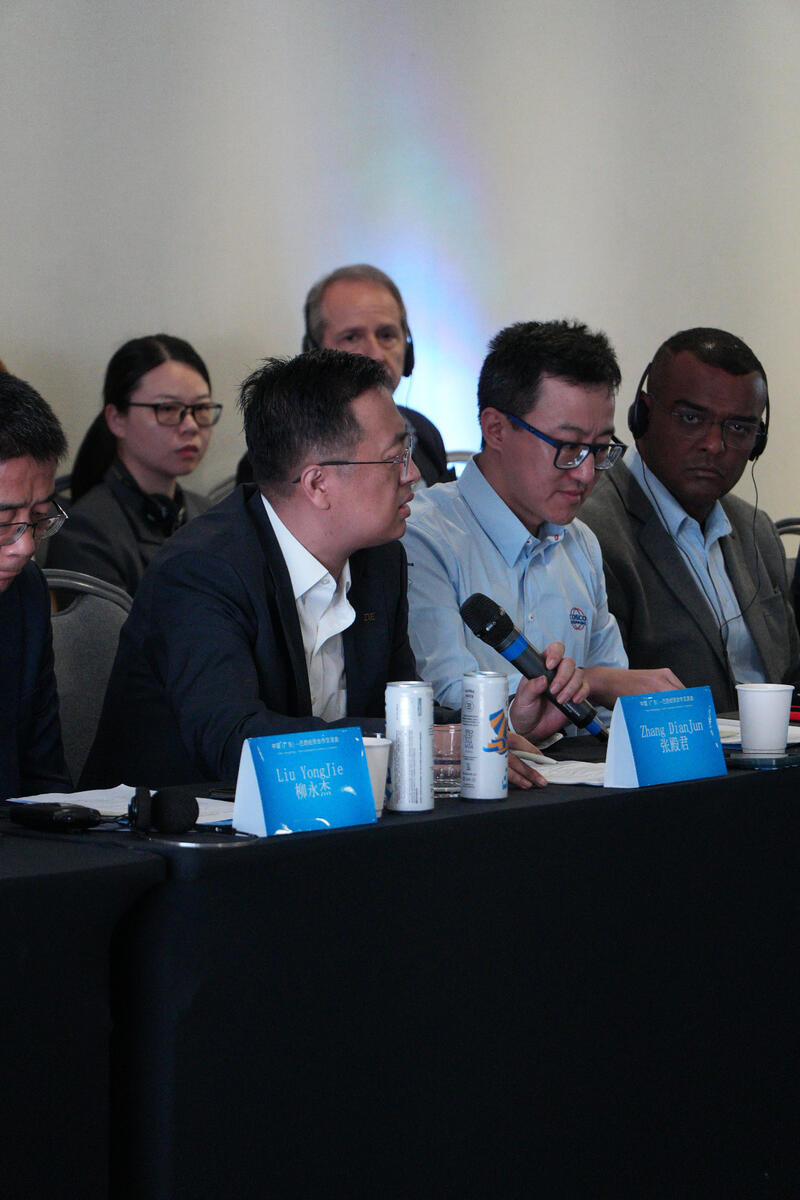
On the Chinese side, companies such as BYD, ZTE, CNOOC, ANJUN, and Cosco Shipping presented their operations, results, and expansion prospects in Brazil. In several speeches, it was clear that the Brazilian market is strategic, not only for its size but for the concrete possibility of joint growth in key sectors. The most recurrent expression throughout the meeting was "complementary economies" and "complementary businesses," always associated with the idea of a win-win relationship built through teamwork, institutional trust, and long-term vision.
On the Brazilian side, Petrobras and PPSA had prominent participation and contributed to qualifying the dialogue around attracting Chinese investments, especially in strategic sectors. Brazilian interventions helped present expectations, opportunities, and points of convergence capable of sustaining a future agenda of greater rapprochement between the two countries.
The presence of representatives linked to the logistics, energy, agribusiness, and communications sectors also helped create an environment particularly favorable to supply chain integration, expansion of business connections, and construction of new business opportunities. More than a protocol meeting, the agenda consolidated an effective space for dialogue between companies, authorities, and institutions with real capacity to drive concrete developments.
At the end of the mission, the delegation head made a point of recording his positive experience in Brazil, spontaneously mentioning his satisfaction with Brazilian cuisine and highlighting, in particular, the quality of the beef served at one of the dinners held during the visit. The comment, although simple, symbolized the positive atmosphere of welcome and rapprochement built throughout the agenda.
For IECBC, the meeting reaffirms the institute's role as a qualified supporter of initiatives that connect diplomacy, economy, trade, investments, and institutional cooperation between Brazil and China. The organization of this mission by FCCE, with IECBC's support, reinforces the capacity to mobilize strategic interlocutors and opens the way for new stages of relationship with Guangdong and Chinese companies interested in expanding their presence in Brazil.
The agenda left as its main message the conviction that Brazil and China have complementary economies and broad possibilities for practical cooperation. More than an exchange of presentations, the meeting demonstrated that there is real interest, on both sides, in building deeper, more productive, and lasting relationships, with mutual gains and a strategic vision for the future.